
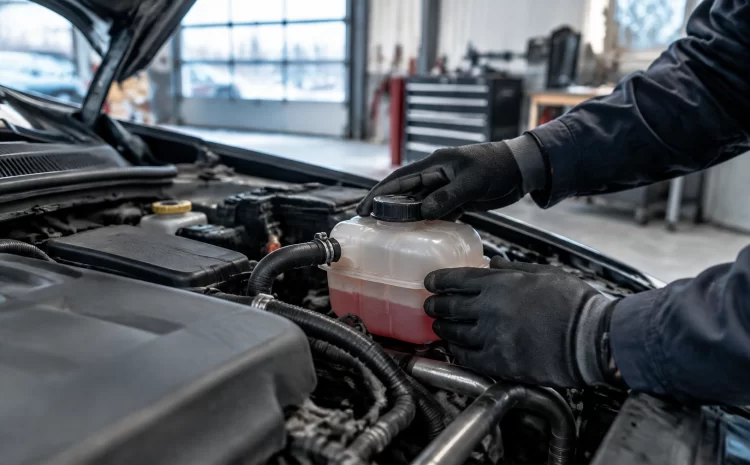
Staying Warm and Worry-Free: Winter Cooling System Flushes, Thermostats, and No-Heat Fixes for Lancaster Drivers
Cold weather has a way of exposing problems that were easy to miss during warmer months. A temperature gauge that stays low, a heater that barely warms the cabin, or coolant that no longer offers the protection your vehicle needs can all point to cooling-system trouble.
These symptoms can be connected. The cooling system helps regulate engine temperature and supplies heat to the cabin, so a weakness in one area can affect the others. For drivers in Lancaster, a winter check is a good opportunity to look at coolant condition, thermostat operation, and heater performance together, not assume that one quick fix will solve everything.
DrivenMotos Auto Care Clinic now offers a state-of-the-art coolant flush machine. Just as important, our technicians inspect the system to determine whether a flush is appropriate or whether another repair is needed.
Why winter brings cooling-system problems to light
Coolant circulates through the engine, radiator, and heater core. It helps carry heat away from the engine, provides freeze protection, and allows the cabin heater to warm the air entering the vehicle.
Coolant doesn’t suddenly become ineffective when winter arrives. But its protective additives can wear down over time, and the mixture may not provide enough freeze protection if it has been diluted or topped up incorrectly. A vehicle can also have old, contaminated coolant long before a cold snap makes the weakness obvious.
That’s why checking the fluid by appearance alone isn’t enough. A technician can inspect its condition, check freeze protection with appropriate equipment, and confirm the type and mixture are right for the vehicle. Coolant color isn’t a reliable way to identify the correct formula, so it’s best not to mix fluids or add concentrate based on color or guesswork.
Our earlier guide explains why a coolant flush matters. Whether a flush is needed depends on the vehicle’s service requirements and what an inspection finds.
Coolant flushes: useful service, not a cure-all
A basic drain-and-fill replaces some of the old coolant, but fluid can remain in parts of the system. A machine-assisted coolant exchange is designed to replace more of the old fluid throughout the system, following the vehicle’s requirements and the proper service procedure.
A flush may make sense when coolant is due for service, contaminated, or showing signs of deposits or corrosion. The technician should also check for leaks, inspect hoses and other components, use the specified coolant, and make sure air is properly removed from the system afterward.
A flush won’t repair a leak, free up a faulty thermostat, or fix a failed blower motor. It also isn’t automatically the right answer for every no-heat complaint. If a heater core is severely restricted, it may need a separate assessment and service. Starting with diagnosis helps avoid paying for a fluid exchange when the real problem lies elsewhere.
What a stuck thermostat can mean in cold weather
The thermostat helps regulate how quickly the engine reaches and maintains its normal operating temperature. If it sticks open, coolant can circulate through the radiator too soon. In cold weather, the engine may take longer to warm up, or may not reach its normal operating temperature during some drives.
You might notice:
- A temperature gauge that stays lower than usual
- A long warm-up time
- Weak cabin heat, especially on longer or faster drives
- Temperature readings that fluctuate more than expected
Poor heat can be frustrating, but it’s not the only concern. An engine that repeatedly runs below its intended temperature may experience increased wear and use more fuel than it should. Those effects depend on the vehicle and the specific fault, so the right next step is to confirm what the engine is doing rather than waiting to see if the symptom goes away.
Thermostat problems are diagnosed using the vehicle’s temperature data and other checks. Replacing a thermostat that has failed is more reliable than putting off a repair while the engine continues to warm up improperly. The replacement part and procedure need to match the vehicle.
No heat? The cabin complaint may start under the hood
A heater that blows cold air doesn’t automatically mean the HVAC controls are at fault. The heater core uses hot engine coolant to warm air for the cabin, so a cooling-system problem can show up as a comfort, or defroster, problem.
A useful diagnostic sequence starts by checking coolant level and looking for leaks. Low coolant can reduce circulation through the heater core. If coolant is low, the underlying reason matters: a leak or another fault needs attention, not just repeated topping up.
Other possible causes include:
- Air trapped in the cooling system: Air pockets can interfere with coolant circulation and lead to inconsistent heat, particularly after cooling-system work.
- A thermostat stuck open: If the engine isn’t warming properly, the heater may not receive enough heat.
- A restricted heater core: Deposits or contamination may limit hot coolant flow through the core.
- A failed blower motor: The coolant may be hot, but a faulty blower can prevent air from moving through the vents.
- A blend-door or actuator issue: A door inside the HVAC system may not direct air across the heater core as intended.
A technician can compare how the engine warms up, check coolant circulation, inspect heater-core temperatures, and test the blower and blend-door operation. The findings help distinguish a cooling-system fault from an airflow or climate-control fault.

Why a complete check matters before winter
Replacing coolant or a thermostat without checking the rest of the system can leave the original symptom unresolved. A careful inspection helps establish what the vehicle actually needs: fluid service, leak repair, thermostat replacement, heater-core attention, or an HVAC component repair.
After cooling-system service, air must be removed according to the vehicle’s procedure. Trapped air can cause inconsistent heater output and may interfere with proper circulation. The system should then be checked for leaks and proper operating temperature.
Don’t remove a radiator cap or open a pressurized cooling system while the engine is hot. If the vehicle is overheating, losing coolant repeatedly, or showing a temperature warning, stop driving when it’s safe and arrange an inspection. Continuing to drive an overheating vehicle can lead to serious engine damage.
For drivers in Lancaster, DrivenMotos’ A/C and cooling system service includes coolant maintenance, radiator repairs, and cooling-system diagnostics. If the cause isn’t clear, our diagnostics and inspections can help pinpoint the issue before parts are replaced.
Winter cooling-system care at DrivenMotos
DrivenMotos is a family-run shop at 1709 Usher Rd, Lancaster, SC 29720. Our ASE-certified technicians bring more than 60 years of combined experience, and we use advanced diagnostic technology to help identify the cause of a concern before recommending repairs.
We’re one of only 12% of NAPA’s 6,450 nationwide garages to earn Gold Certification. Qualifying repairs are backed by a 3-year/36,000-mile nationwide parts and labor warranty with free roadside assistance. Our goal is dealership-quality service without dealership pricing, paired with clear, straightforward communication.
Get your cooling system ready for winter
Coolant condition, thermostat operation, and cabin heat all deserve attention when cold weather arrives. If your engine takes too long to warm up, your heater isn’t keeping the cabin comfortable, or your coolant may be overdue for service, book a winter cooling-system check with DrivenMotos. Call 803-718-0651 or request an appointment.