
Why a Coolant Flush Matters: The Science of Keeping Your Engine Cool in Lancaster
When you think about routine car maintenance, oil changes, tire rotations, and brake inspections probably come to mind first. Coolant service is easier to overlook: but it plays an equally important role in protecting your engine.
Your vehicle’s cooling system works hard every time you drive. It moves heat away from the engine, helps prevent freezing during cold weather, protects internal metal components from corrosion, and keeps your cabin heater working. When the coolant becomes old or contaminated, the system can lose its ability to do all of those jobs effectively.
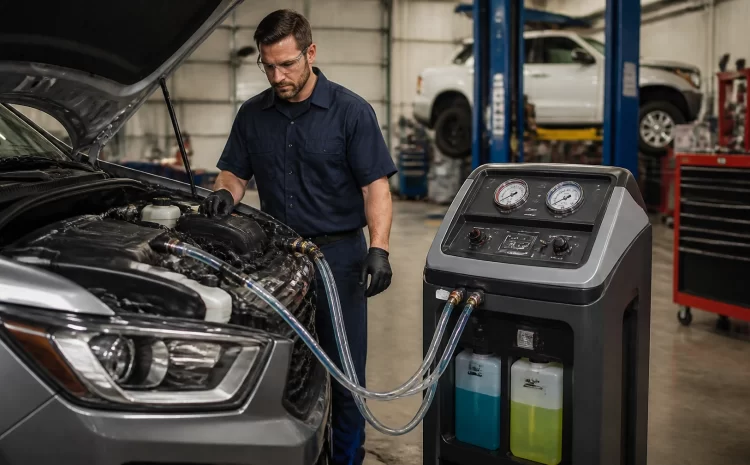
DrivenMotos Auto Care Clinic now offers a state-of-the-art coolant flush machine to help drivers receive a more thorough cooling system service. For families, commuters, fleet operators, and truck owners in Lancaster, this technology provides an efficient way to remove more old coolant and help restore proper protection throughout the system.
What Engine Coolant Actually Does
Engine coolant is typically a mixture of antifreeze and water, although the correct formula depends on the vehicle and manufacturer specifications. It circulates through passages in the engine, radiator, heater core, and related components.
As coolant travels through the engine, it absorbs excess heat. That heated fluid then moves to the radiator, where heat is released before the coolant returns to the engine to continue the cycle.
Coolant also contains additives that help:
- Protect aluminum, steel, and other metals from corrosion
- Lubricate components such as the water pump
- Raise the fluid’s boiling point
- Lower its freezing point
- Reduce deposits and scaling inside the cooling system
This process is essential whether you are driving across town, sitting in summer traffic, towing a trailer, or traveling on the highway. A cooling system problem can quickly turn into an engine problem if it is ignored.
Why Coolant Breaks Down Over Time
Coolant does not last forever. Even when the fluid level appears normal, its protective properties gradually decline.
The corrosion inhibitors in coolant become depleted with age. Once that protection is weakened, rust and corrosion can begin forming inside the radiator, engine passages, water pump, thermostat housing, and heater core. The fluid may also become more acidic, which can damage gaskets and metal surfaces over time.
Old coolant can collect:
- Rust particles
- Mineral scale
- Sediment
- Sludge
- Metal debris
- Contaminants from deteriorating hoses or components
As contamination builds, coolant may not flow as freely through the system. Restricted flow means less heat is transferred away from the engine. In severe cases, the result can be overheating, head gasket damage, water pump failure, or major engine repairs.
Coolant service intervals vary widely by vehicle. Some newer vehicles are designed for longer intervals, while others require service much sooner. Your owner’s manual provides the best starting point, but the condition of the coolant matters just as much as age and mileage. If the fluid is dirty, rusty, or contaminated, it should be inspected even if the recommended interval has not arrived.
Signs Your Vehicle May Need a Coolant Flush
A cooling system inspection is worthwhile if you notice any of the following symptoms.
1. The Engine Is Running Hot or Overheating
An engine temperature gauge that runs higher than normal should never be dismissed. Overheating may be caused by low coolant, a leak, a restricted radiator, a failing thermostat, a damaged water pump, or contaminated coolant.
A flush may be part of the solution, but a professional technician should first determine why the vehicle is overheating. Replacing the coolant without diagnosing the underlying problem could leave the real issue unresolved.
If the temperature warning light comes on or the gauge reaches the red zone, pull over safely and turn the engine off. Continuing to drive an overheated vehicle can cause serious damage.
2. You Smell Something Sweet
Coolant has a distinctive sweet smell. If you notice that odor around the front of the vehicle, after parking, or inside the cabin, the cooling system may have a leak.
Possible sources include a radiator hose, radiator, coolant reservoir, water pump, thermostat housing, or heater core. A sweet smell inside the vehicle may be especially important because it can indicate a heater core leak.
A coolant flush does not replace leak repair. At DrivenMotos, the system should be inspected so a leak or failing component can be identified before fresh coolant is installed.
3. The Coolant Looks Rust-Colored

Healthy coolant should generally have a clean, consistent appearance appropriate for the fluid specified by the vehicle manufacturer. Rust-colored, brown, cloudy, or sludgy coolant can indicate corrosion and contamination.
Do not rely on color alone to identify the correct coolant type, since different formulations can have different colors. However, fluid that looks rusty or contains visible debris deserves attention.
It is also important not to mix coolant types unless the manufacturer specifically allows it. Incompatible fluids can react, form deposits, and restrict coolant flow.
4. The Heater Is Not Working Properly
Your cabin heater depends on hot coolant flowing through the heater core. If the heater blows cold air when the temperature is set to hot, the cooling system may have low coolant, trapped air, poor circulation, or a partially blocked heater core.
A flush can help remove buildup that restricts flow through the heater core. However, the technician should also check for leaks, thermostat problems, blend-door issues, and other causes of poor cabin heat.
5. You Keep Adding Coolant
Coolant should not regularly disappear from a properly functioning cooling system. If you are frequently topping off the reservoir, there may be an external leak, an internal engine issue, or overheating that is forcing fluid out.
Adding coolant may temporarily restore the level, but it does not fix the cause. Repeatedly driving with a low coolant level increases the risk of overheating and may allow air to enter the system.
Why a Machine Flush Is More Thorough Than a Drain-and-Fill
A basic drain-and-fill removes some of the coolant from the system and replaces it with new fluid. It can be appropriate for certain vehicles and service situations, particularly when the coolant is still relatively clean and the manufacturer recommends that procedure.
However, draining the radiator does not necessarily remove all of the old coolant. Fluid can remain in the engine block, heater core, hoses, and other passages. The remaining old coolant and contaminants then mix with the new fluid.
A professional coolant flush machine is designed to exchange more of the fluid throughout the cooling system. Connected properly, the machine helps circulate fresh coolant through the system while removing old fluid and suspended contamination. This can provide a more complete service than simply opening a drain and refilling the reservoir.
The process also gives the technician an opportunity to:
- Verify the correct coolant type and mixture
- Check for leaks and damaged hoses
- Inspect the radiator and reservoir
- Look for signs of corrosion or restricted flow
- Confirm that the system is properly filled
- Remove trapped air according to the vehicle’s requirements
- Check that the engine reaches and maintains the correct operating temperature
A machine flush is not a substitute for repairing a failed radiator, thermostat, water pump, hose, or head gasket. It is a maintenance and fluid-exchange service that works best when the cooling system is inspected at the same time.
For additional background on coolant function and maintenance, NAPA AUTOPRO explains how coolant works and why service intervals vary by vehicle.
Professional Coolant Service in Lancaster, SC
At DrivenMotos Auto Care Clinic, coolant maintenance is part of a broader approach to dependable auto repair. Our A/C and cooling system service includes coolant maintenance, radiator repairs, and cooling system diagnostics.
Our new coolant flush machine adds a more precise, thorough option for vehicles that need a coolant exchange. The service is performed by ASE-certified technicians who understand that every vehicle has different coolant specifications, capacities, bleeding procedures, and maintenance requirements.
DrivenMotos is also one of only 12% of NAPA’s 6,450 nationwide garages to earn Gold Certification. That recognition reflects our focus on training, quality repairs, and professional standards. Qualifying repairs are backed by a 3-year/36,000-mile nationwide parts and labor warranty with free roadside assistance.
Most importantly, we explain what your vehicle needs before work begins. Whether you drive a compact car, family SUV, light-duty pickup, commercial vehicle, or heavy-duty truck, our team can help you make an informed maintenance decision.
Keep Small Cooling System Problems From Becoming Major Repairs
Coolant may look like a simple fluid, but it protects one of the most expensive systems in your vehicle. As it ages, it can lose corrosion protection, collect debris, and restrict the flow needed to control engine temperature.
If your vehicle is overheating, has a sweet smell, contains rust-colored coolant, or is no longer producing reliable cabin heat, schedule an inspection rather than waiting for a breakdown. Drivers in Lancaster can book a coolant service or cooling system inspection with DrivenMotos, or call 803-718-0651. We are located at 1709 Usher Road in Lancaster, SC, and we are ready to help keep your vehicle running cool and reliably.