
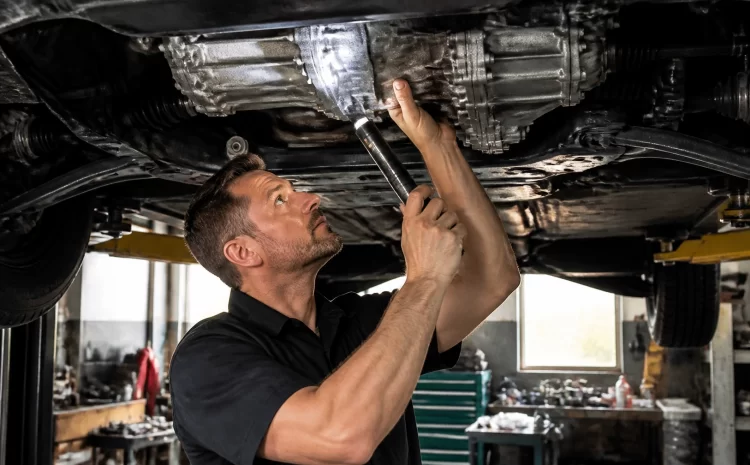
Slipping Gears and Strange Noises: When Do You Need a Transmission Repair vs. Replacement?
A transmission problem rarely announces itself with one dramatic failure. More often, it starts with a delayed shift, a faint whine, or a brief moment when the engine revs but the vehicle does not accelerate normally.
For drivers in Lancaster, SC, recognizing these warning signs early can make the difference between a manageable transmission repair and a much more expensive rebuild or replacement. However, not every slipping gear or strange noise means the transmission itself is beyond repair. The right answer depends on the cause, the condition of the fluid, the vehicle’s mileage, and what testing reveals.
Warning Signs Your Transmission Needs Attention
Automatic and manual transmissions can show different symptoms, but several warning signs should never be ignored.
Slipping or delayed engagement
Transmission slipping happens when the engine’s RPM rises without a matching increase in vehicle speed. You may feel as if the vehicle briefly shifts into neutral, especially while accelerating or climbing a hill.
Other signs include:
- A delay when shifting from Park into Drive or Reverse
- Sudden changes in engine speed between gears
- The vehicle struggling to stay in gear
- Harsh or unusually late upshifts and downshifts
- A loss of power while towing or carrying a heavy load
Low fluid, a fluid leak, worn clutch packs, faulty solenoids, or internal transmission wear can all cause these symptoms. In some cases, an engine performance issue can also affect how the transmission shifts, which is why accurate testing matters.
Strange noises
A healthy transmission should operate quietly. Whining, humming, buzzing, grinding, or clunking may point to a problem with the fluid level, bearings, gears, torque converter, or other internal components.
Pay attention to when the noise occurs. A noise that changes with vehicle speed may indicate a driveline or transmission concern. A clunk when shifting into Drive may also come from an engine or transmission mount, suspension component, or shift linkage rather than the transmission itself.
A professional inspection can help separate a true transmission problem from another repair that simply feels similar from the driver’s seat.
Fluid leaks or a burning smell
Transmission fluid helps lubricate, cool, and control internal components. If the fluid level drops because of a leaking cooler line, seal, gasket, or transmission pan, operating the vehicle can quickly create additional damage.
Look for fluid underneath the vehicle, but remember that transmission fluid is not always red. Color varies by fluid type and condition. A burning smell may indicate overheated fluid or clutch material, both of which require prompt attention.
Do not crawl underneath a vehicle that is supported only by a jack. If you notice a leak, check the owner’s manual for guidance and arrange an inspection.
When Transmission Repair Is Often Enough
A transmission does not automatically need replacement just because it shifts poorly. Many problems can be corrected with targeted repair when they are found early.
Low or contaminated fluid
A low fluid level may be caused by an external leak rather than internal transmission failure. Repairing the leak and servicing the fluid may restore normal operation if the transmission has not been driven too long while under-lubricated.
Fluid that is dark or contaminated also deserves attention. Depending on the vehicle and manufacturer recommendations, service may include fluid replacement, filter replacement, pan inspection, or another procedure. The correct fluid type and service method are important, particularly on newer transmissions and continuously variable transmissions.
Routine fluid inspections are part of effective car maintenance in Lancaster, SC, especially for vehicles that tow, carry heavy loads, or spend significant time in stop-and-go traffic.
Solenoid, sensor, or valve body problems
Modern transmissions rely on electronic sensors and hydraulic controls to select the correct gear. A faulty shift solenoid, pressure sensor, wiring connection, or valve body can cause delayed, harsh, or unpredictable shifting.
These issues may be repairable without replacing the entire transmission. A diagnostic scan can identify stored trouble codes, but a code is not always proof that the named sensor is the only failed part. A technician should verify the circuit, fluid pressure, mechanical operation, and related systems before recommending parts.
Leaks, mounts, and linkage
A worn mount can cause a noticeable thump when the vehicle changes gears. A damaged shift cable or linkage can make it difficult to select Park, Drive, or Reverse. A leak from a cooler line or external seal may require a relatively limited repair.
These examples show why a complete inspection is more valuable than guessing based on one symptom.
Manual transmission clutch wear
On a manual vehicle, engine RPM rising without acceleration may indicate a worn clutch rather than damaged transmission gears. A clutch replacement is still a significant repair, but it is different from replacing the transmission.
The clutch, pressure plate, release bearing, flywheel, and related components should be evaluated together so the repair addresses the actual cause of the slipping.
When a Rebuild or Replacement May Be Necessary
A rebuild or replacement becomes more likely when internal damage is extensive or several major components have failed.
Strong warning signs include:
- Severe slipping in multiple gears
- No movement in Drive, Reverse, or both
- Loud grinding, roaring, or repeated banging
- Burnt-smelling fluid with metal debris
- Repeated overheating
- A transmission that has continued to deteriorate despite proper fluid level and control-system repairs
- Evidence of damaged clutches, gears, bearings, or planetary assemblies
A rebuild involves disassembling the existing transmission, inspecting the components, and replacing worn or damaged parts. A remanufactured or replacement unit may be considered when the original transmission has widespread damage, when parts availability is limited, or when labor costs make rebuilding the existing unit less practical.
The best option depends on the vehicle’s age, mileage, condition, intended use, parts availability, warranty, and overall value. A high-mileage vehicle with other major issues may require a broader repair-versus-replace discussion. On the other hand, a well-maintained vehicle with a healthy engine and drivetrain may be worth repairing.
Why Engine Diagnostics Matter With Transmission Symptoms
Transmission behavior is closely connected to engine performance and vehicle electronics. A malfunctioning throttle-position sensor, air-fuel problem, engine misfire, speed sensor, or control module fault can change shift timing or cause the vehicle to enter a reduced-power mode.
That is why engine diagnostics and transmission diagnostics often need to be performed together. A proper evaluation may include:
- Reviewing the vehicle’s service history and the driver’s description of the symptom
- Checking fluid level, condition, and possible leaks
- Scanning the engine and transmission control systems for trouble codes
- Road-testing the vehicle when safe
- Checking transmission pressures and shift operation when needed
- Inspecting the pan or fluid for excessive debris when appropriate
- Evaluating mounts, axles, brakes, wiring, and other related components

At DrivenMotos Auto Care Clinic, vehicle diagnostics and inspections use advanced diagnostic equipment to help identify the source of performance and warning-light concerns. The goal is not to replace an expensive component before confirming what has actually failed.
When You Should Stop Driving
Some transmission symptoms justify a tow rather than a drive to the repair shop.
Stop driving and arrange professional assistance if the vehicle:
- Barely moves or does not move in Drive or Reverse
- Slips severely during normal acceleration
- Produces loud grinding or banging
- Has a strong burning odor
- Shows a transmission-temperature warning
- Is leaking a large amount of fluid
- Shakes violently when attempting to move
Continuing to drive with low fluid or severe internal wear can turn a repairable leak or control problem into damaged clutches, gears, and bearings. If the vehicle is still moving normally but shifting has changed, schedule an inspection promptly and avoid towing or heavy driving until it has been evaluated.
Choosing the Right Transmission Repair Shop in Lancaster
Transmission work requires careful diagnosis, specialized tools, and clear communication. Before approving a rebuild or replacement, ask the shop to explain:
- What component has failed
- Whether the issue is external, electronic, hydraulic, or internal
- What testing supports the recommendation
- Whether repair, rebuild, or replacement options are available
- What parts and labor warranty applies
- What additional components will be inspected during installation
DrivenMotos Auto Care Clinic is a family-run, full-service repair center serving Lancaster since 2014. Its ASE-certified technicians have more than 60 years of combined experience and service cars, SUVs, light trucks, and heavy-duty vehicles across a wide range of makes and models.
As a NAPA Gold Certified Auto Care Center, DrivenMotos also offers a qualifying 3-year/36,000-mile nationwide parts and labor warranty with roadside assistance. You can review the company’s engine and transmission repair services or book an appointment online.
Conclusion
Slipping gears and strange noises are reasons to schedule a professional inspection, not automatic proof that you need a replacement transmission. A fluid leak, solenoid, sensor, mount, clutch, or engine-control issue may be repairable if caught early. Severe slipping, burnt fluid, metal debris, overheating, or loss of movement may point toward a rebuild or replacement.
If your vehicle is shifting differently in Lancaster, SC, contact DrivenMotos Auto Care Clinic at 803-718-0651 or schedule transmission diagnostics and repair. A careful diagnosis can help you make an informed decision and keep a small problem from becoming a major one.