Before the First Freeze: The Pre-Winter Car Maintenance Checklist Every Lancaster Driver Needs
Late September is the right time to prepare your vehicle for colder mornings: not after the first no-start, fogged windshield, or slippery commute.
Lancaster winters may not bring constant snow and ice, but temperature swings, freezing mornings, rain, and reduced visibility can expose weaknesses that were easy to overlook during warmer months. A practical pre-winter inspection can help you find those problems while they are still manageable.
Use this checklist to prepare your car, truck, SUV, or commercial vehicle before the first freeze.
1. Test the Battery and Cold-Cranking Performance
Cold mornings are when weak batteries usually give up. Lower temperatures slow the chemical reaction inside the battery, reducing the power available for starting the engine. At the same time, the engine requires more effort to crank because the oil is thicker.
A battery that seems fine on a warm afternoon may produce slow cranking: or no start at all: on a cold morning.
Have the battery tested under load, not just checked for visible corrosion. A proper test measures whether it can deliver enough power and verifies the charging system, including the alternator. The battery’s cold-cranking amp, or CCA, rating should meet your vehicle manufacturer’s specification.
Also check for:
- Loose or corroded battery terminals
- A battery case that is swollen or damaged
- Poor battery hold-downs
- Electrical accessories that may be draining the battery
- A charging system warning light
If your battery is several years old or has already needed a jump-start, winter is not the time to take chances. DrivenMotos provides battery and charging system testing as part of professional vehicle diagnostics and inspections.
2. Check Tire Pressure, Tread, and TPMS
Tire pressure drops as the temperature falls. A commonly used rule is approximately one PSI for every 10-degree temperature drop, although the exact change depends on the tire and conditions. That means a tire set correctly during a warm September afternoon may be underinflated after a cold night.
Underinflated tires can reduce handling stability, increase rolling resistance, shorten tread life, and make it harder to maintain control in wet conditions.
Check pressure when the tires are cold and use the recommendation on the driver’s door-jamb label: not the maximum pressure printed on the tire sidewall. Recheck pressure after the first significant cold snap and throughout the season.
While checking pressure, inspect:
- Tread depth and wear bars
- Cracks, bulges, or punctures
- Uneven wear across the tread
- The spare tire
- TPMS warning lights or sensors
Tires with shallow tread have less ability to channel water and maintain traction. If the tread is close to the wear bars: or around the commonly recommended 4/32-inch winter benchmark: ask a technician whether replacement is appropriate for your driving needs.
DrivenMotos offers tire sales, installation, balancing, rotations, and TPMS service for drivers throughout Lancaster and surrounding areas.
3. Inspect the Brakes Before Wet or Icy Roads
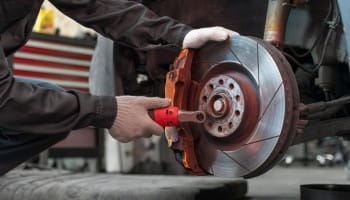
Winter driving requires more stopping distance, especially when pavement is wet, slick, or covered with frost. Worn brake pads, damaged rotors, a sticking caliper, or contaminated brake fluid can make an already difficult stop less predictable.
Listen for squealing, grinding, or scraping. Pay attention to vibration through the steering wheel, pulling to one side, or a brake pedal that feels soft or spongy. These symptoms should not be ignored.
A pre-winter brake inspection should look at:
- Brake pad thickness
- Rotor condition
- Calipers and hardware
- Brake lines and hoses
- Brake fluid level and condition
- Parking brake operation
Old brake fluid can absorb moisture over time, which may affect braking performance and contribute to internal corrosion. If you are due for a fluid service, a brake fluid flush may be part of the solution.
For dependable brake repair in Lancaster, it is better to address wear before winter conditions increase the demand on the system.
4. Check Coolant Strength and Cooling System Condition
Antifreeze protects your engine in two directions: it helps prevent freezing in cold weather and protects against overheating during normal operation. If the coolant mixture is weak, contaminated, or too old, it may not provide the protection your vehicle needs.
A technician can test the coolant’s freeze protection and inspect the system for leaks. The correct mixture depends on the vehicle and manufacturer specifications, so do not simply add water or mix coolant types without checking what your vehicle requires.
Look for:
- Low coolant in the overflow reservoir
- Rust-colored, cloudy, or contaminated fluid
- Sweet smells near the engine or inside the cabin
- Damp areas around hoses, the radiator, or water pump
- A temperature gauge that runs higher than normal
- A heater that does not produce consistent heat
A coolant flush can remove more old fluid and contamination than a simple drain-and-fill, depending on the vehicle and service procedure. It also gives the technician an opportunity to inspect hoses, the radiator, thermostat, cap, and related components.
Read more about why a coolant flush matters in Lancaster, or schedule cooling system service before freezing temperatures arrive.
5. Review Oil and Other Essential Fluids
Your owner’s manual should guide the correct oil type and service interval. Cold weather makes proper oil viscosity especially important because the engine depends on oil flowing quickly during startup.
Check the oil level and look for signs of leaks. If an oil change is due, complete it before winter rather than postponing it until the next convenient appointment.
A seasonal fluid check should also include:
- Brake fluid
- Transmission fluid, when applicable
- Power steering fluid, when applicable
- Windshield washer fluid
- Coolant or antifreeze
- Differential or transfer-case fluids on applicable vehicles
Old or low fluids can contribute to hard shifting, poor braking, overheating, or component wear. Routine maintenance and oil change service helps catch these issues before they become more expensive auto repair problems.
6. Replace Wipers and Use Cold-Weather Washer Fluid
Good visibility is essential in rain, fog, frost, and road spray. Wiper blades that chatter, skip, smear, or leave untreated areas should be replaced before winter weather makes the problem more serious.
Fill the reservoir with washer fluid rated for freezing temperatures. Summer-grade fluid or plain water can freeze in the reservoir, hoses, or spray nozzles, leaving you unable to clear the windshield when you need it most.
Never force wipers across frozen glass. Lift them carefully or use an appropriate ice scraper and defroster to clear the windshield first.
7. Test the Heater, Defroster, and Cabin Airflow
Your heater is important for comfort, but the defroster is a visibility and safety system. Confirm that the front defroster produces strong airflow and that the air becomes warm. Check that the rear window defroster heats its grid evenly.
Weak airflow may be caused by:
- A clogged cabin air filter
- Debris in the blower system
- A blower motor problem
- Low coolant or restricted heater-core flow
- A blend-door or climate-control fault
If the windows fog repeatedly or the defroster cannot keep the windshield clear, have the system inspected before colder mornings arrive.
8. Check Lights, Belts, and Hoses
Shorter days and poor weather mean you will rely more heavily on headlights, brake lights, turn signals, hazard lights, and reverse lights. Walk around the vehicle and confirm that every exterior light works. Clean cloudy lenses and replace burned-out bulbs promptly.
Under the hood, inspect belts and hoses for cracking, glazing, swelling, soft spots, or visible leaks. A worn serpentine belt can affect the alternator, water pump, power steering, or air-conditioning system, depending on the vehicle. A failed hose can quickly lead to coolant loss and overheating.
If the check engine light is on, do not wait until winter to investigate it. A steady light still deserves timely diagnosis, while a flashing light requires immediate attention. DrivenMotos uses advanced diagnostic equipment to identify check engine light and electrical problems.
Make Pre-Winter Car Maintenance Part of Your Fall Routine
A few minutes of preparation can prevent a frustrating no-start, poor visibility, overheating, or unsafe braking when temperatures drop. For drivers looking for car maintenance in Lancaster, DrivenMotos Auto Care Clinic provides dealership-quality service without dealership pricing.
Our ASE-certified technicians have more than 60 years of combined experience, and DrivenMotos is one of only 12% of NAPA’s 6,450 nationwide garages to earn Gold Certification. Qualifying repairs are backed by a 3-year/36,000-mile nationwide parts and labor warranty with free roadside assistance.
Do not wait for the first freeze to reveal a weak battery, worn tires, or overdue fluid service. Book a pre-winter inspection with DrivenMotos, or call 803-718-0651 for honest recommendations from a family-run auto care clinic serving Lancaster and surrounding communities.